
What to focus on when traveling with children
A trip that works for children is planned around a few things adults would otherwise treat as extras. They decide where you stop, when you arrive and which season you travel in.
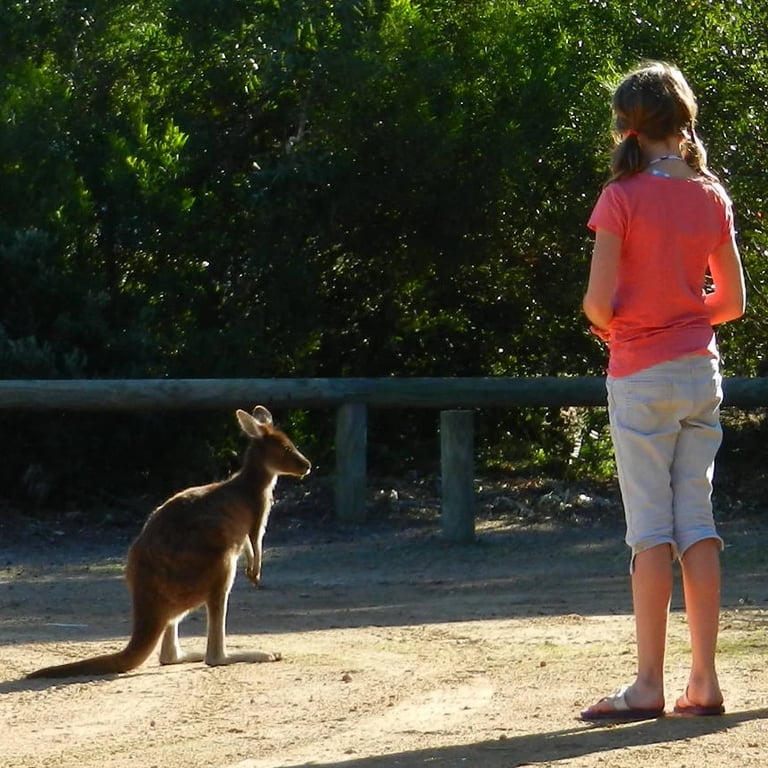
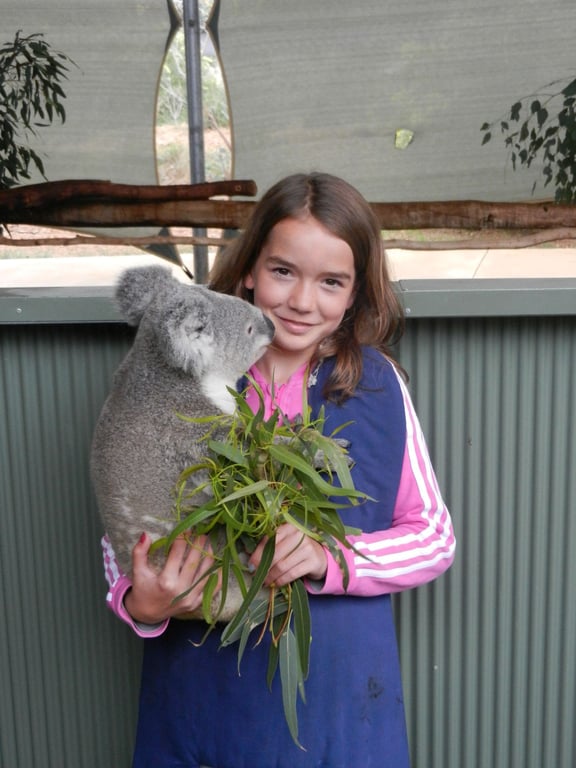
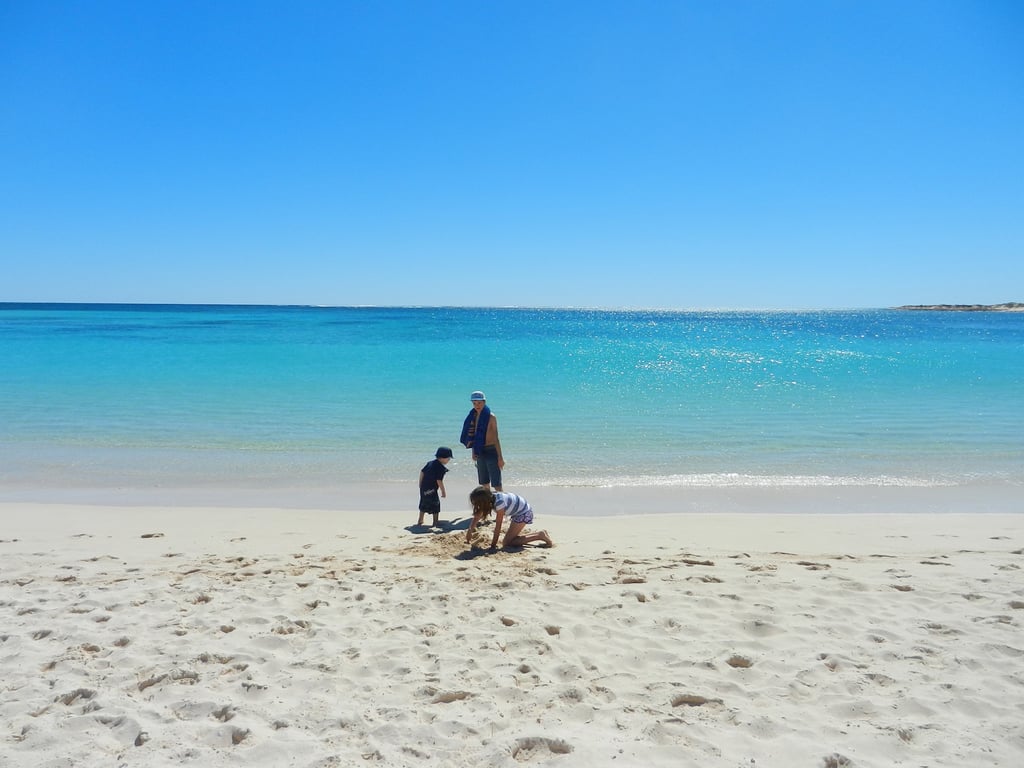
- Wildlife, and the hours it keepsKangaroos and wallabies feed around campgrounds at dusk and dawn, so being at camp by late afternoon matters more than covering distance. Kookaburras call at first light. On the west coast, turtles and dolphins can be seen from beaches reached by track, and whale sharks visit Ningaloo between about March and July, so the season decides whether that is possible.
- Somewhere to swim at each stopGorge pools in Karijini, plunge pools in the Top End once the wet season has passed, and quiet beaches give children something to do on arrival. Some are seasonal and some are cold; the route guides give the timing.
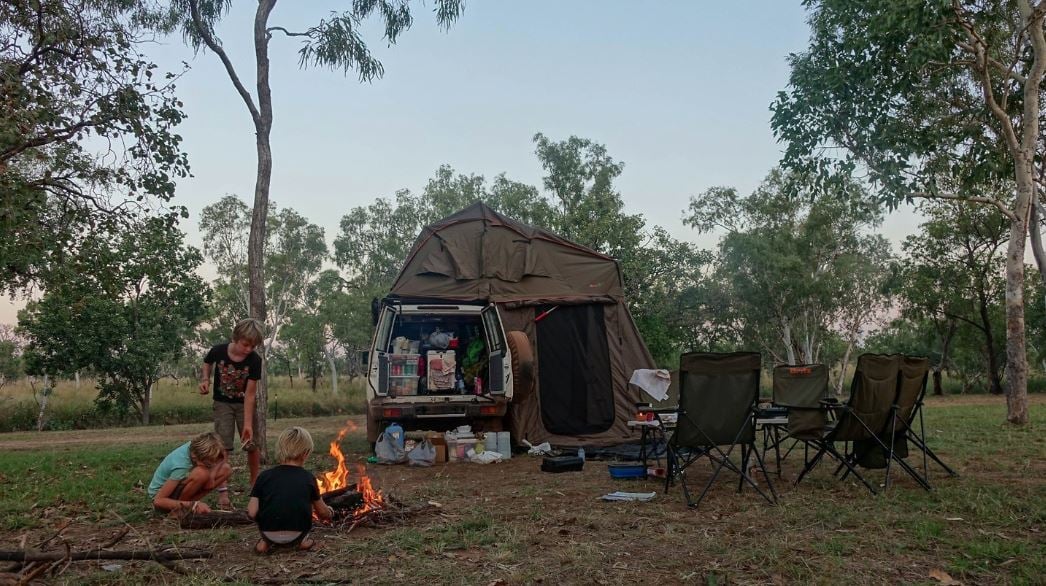
- A share of the adventureUnsealed tracks, beach driving, an evening around a campfire and a night in a rooftop tent are what children talk about afterwards. Campfires are allowed at many campgrounds outside fire-ban periods, so pack marshmallows. A 4WD camper is permitted on those tracks under its conditions of hire; a 2WD camper usually is not.
- Campground facilitiesPlaygrounds and pools fill the hours between drives. Caravan parks in towns have more of them; national park campgrounds have fewer facilities and more wildlife.
Pacing the trip around the children
Few children enjoy more than a few hours a day in a seat, whatever the scenery. A family itinerary is built around that limit rather than around the distances: fewer kilometers and more nights, with two or three nights per stop so there is time to explore and a day without packing up.
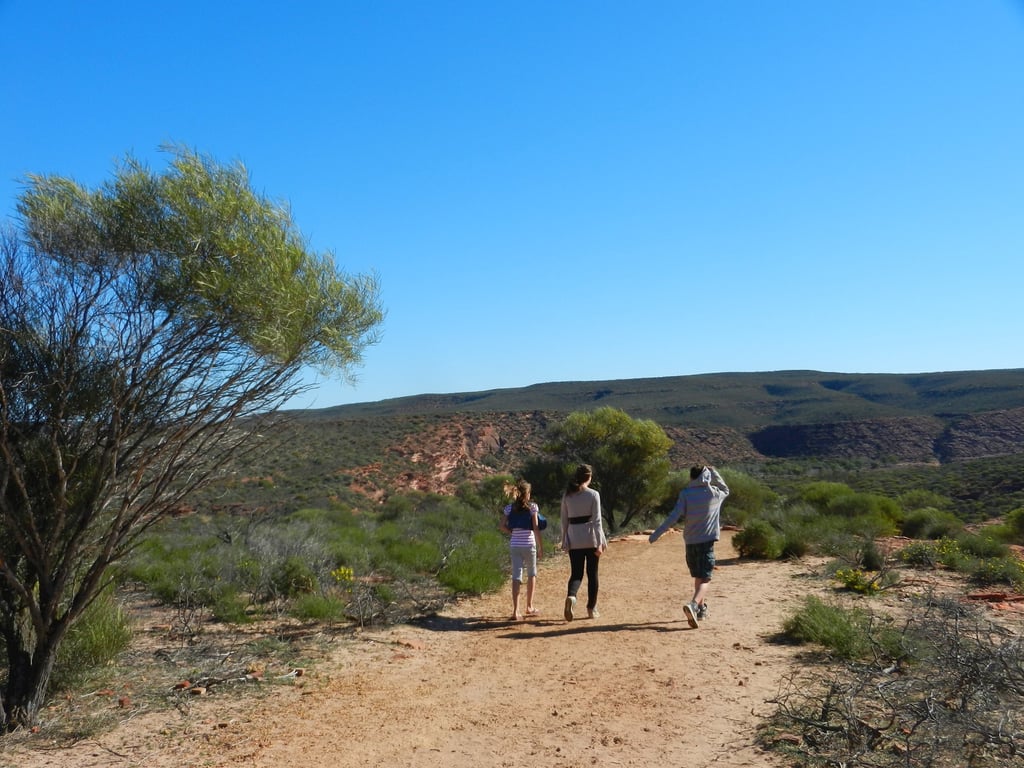
Outback legs of 500 to 600 km can usually be split over two or three days. When one has to be driven in a day, the roads allow a steady 100 km/h with almost no towns, and the reward is a full day at the destination. Tell the children in advance when a long drive is coming, and leave room for the detour to a gorge or a station beach, which is often what they talk about afterwards.
Example: Perth to Darwin by 4WD
Many families try it in 26 to 28 days; in our experience that is too short with children. Perth to Broome alone deserves 20 to 22 days to take in the off-road destinations most travelers skip, such as Francois Peron National Park, Karijini and the Ningaloo coast, and the Kimberley and Top End another three weeks. If four weeks is the limit, drive Perth to Broome in about ten days and keep the time for Broome to Darwin. One family trip from Perth returned the camper after six weeks with 7,650 kilometers on the clock.

Nights at camp
Away from towns the sky is darker than most children have ever seen, and the Milky Way shows on any clear night without a moon. Campgrounds go quiet early; a head torch each and a settled bedtime routine make the evenings and the early starts easier.
Camper layouts with children
What matters is how a layout works at bedtime, on travel days and in rain. The four setups on offer differ mainly in where everyone sleeps.
Scroll sideways to compare all columns.
| Layout | With children | What to check |
|---|---|---|
| Enclosed camper | Everyone sleeps inside, with beds, belongings and a night-time toilet trip a step away. The layout usually suggested with young children. | Bed access, standing height and any bed conversion. |
| Pop-top camper | The roof lifts at camp for headroom and air, while everyone still sleeps inside the camper body. | Roof operation, fabric sections and sleeping layout. |
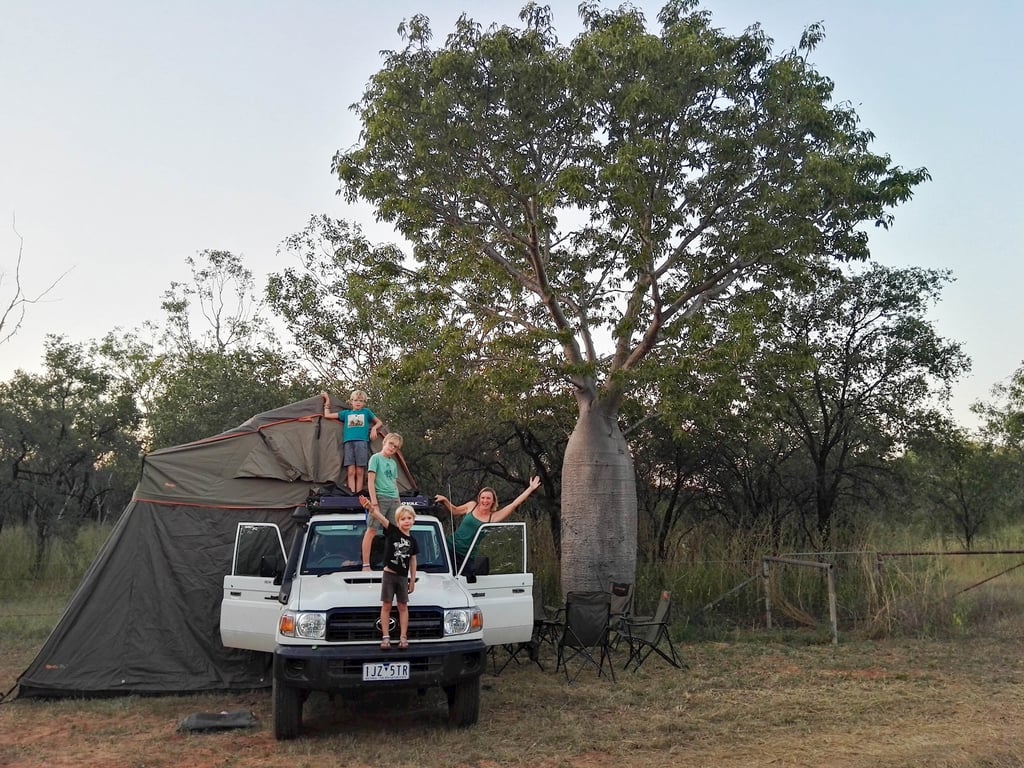
| 4WD with rooftop tent | More storage below and an outdoor kitchen; bed access is by ladder, which suits older children better than small ones. | Mattress dimensions, ladder access and shelter. |
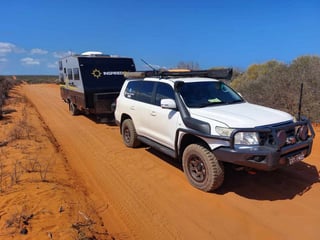
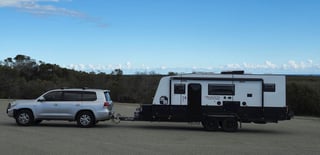
| Off-road caravan | The most room, with living space separate from the car. | Towing experience and permission for the whole combination. |
Child seats in brief
Scroll sideways to compare all columns.
| Age during your trip | Seat to plan for |
|---|---|
| Under 6 months | Rear-facing child seat. |
| 6 months to under 4 | Child seat with a built-in harness, rear-facing while they fit its limits. |
| 4 to under 7 | Harnessed seat while it fits, then an approved booster. |
| 7 and older | Booster until the adult belt fits correctly in the camper’s actual seat. |
- Count the seats, not the bedsA camper that sleeps five may have fewer than five belted seats. Each child needs their own belted seat with an anchor point for the restraint, so that is the number to plan the family around.
- Anchor pointsChild seats and most boosters need a top-tether anchor. ISOFIX lower anchors do not replace it.
- Belt fit, not birthdaysA child moves to the adult belt only when back, knees, shoulder belt and lap belt all sit right in the camper’s seat for the whole journey.
- AirbagsNever place a rear-facing seat in front of an active passenger airbag.
- Supplied on requestSeats and boosters are supplied when requested in advance. Compatibility, charges and fitting are confirmed before you book.
 4WD car and off road caravan
 Landcruiser + on-road caravan
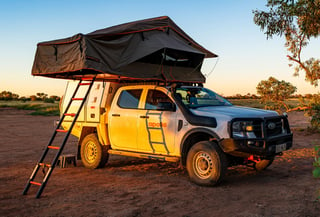 Apollo Overland
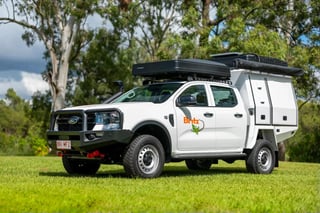 Britz Warrior
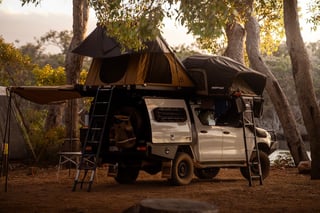 Discoverer 4 berth
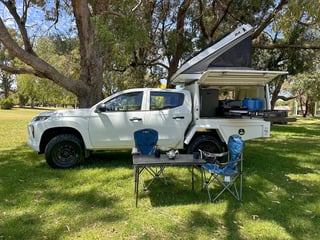 Explorer 2-5 berth
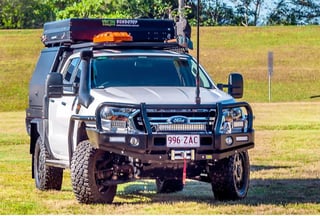 Ford with electric roof tent
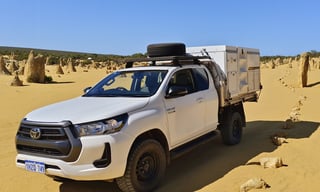 Hilux 2 berth
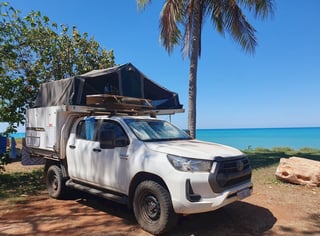 Hilux 4 berth
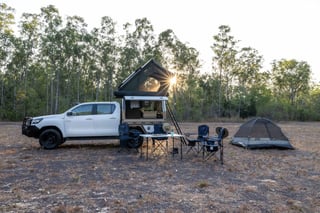 Hilux Adventurer
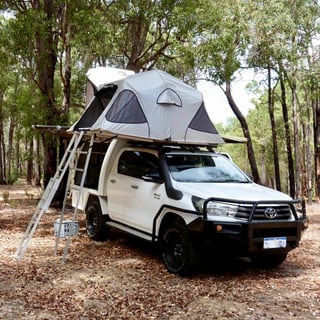 Hilux dual roof tent
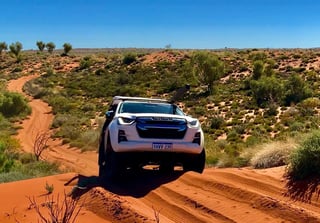 Isuzu 2-4 berth